Understanding the line between DIY and professional work
In Kansas, a lot of small electrical tasks look easy on a surface level. Changing a wall switch or replacing a damaged outlet might seem straightforward. The trouble is wiring and panels carry live currents, and mistakes can lead to shocks or fires. Our crews in every Kansas metro see homeowners try to save a few dollars only to end up with bigger problems later. It’s not just about the work; it’s about safety and long-term reliability.
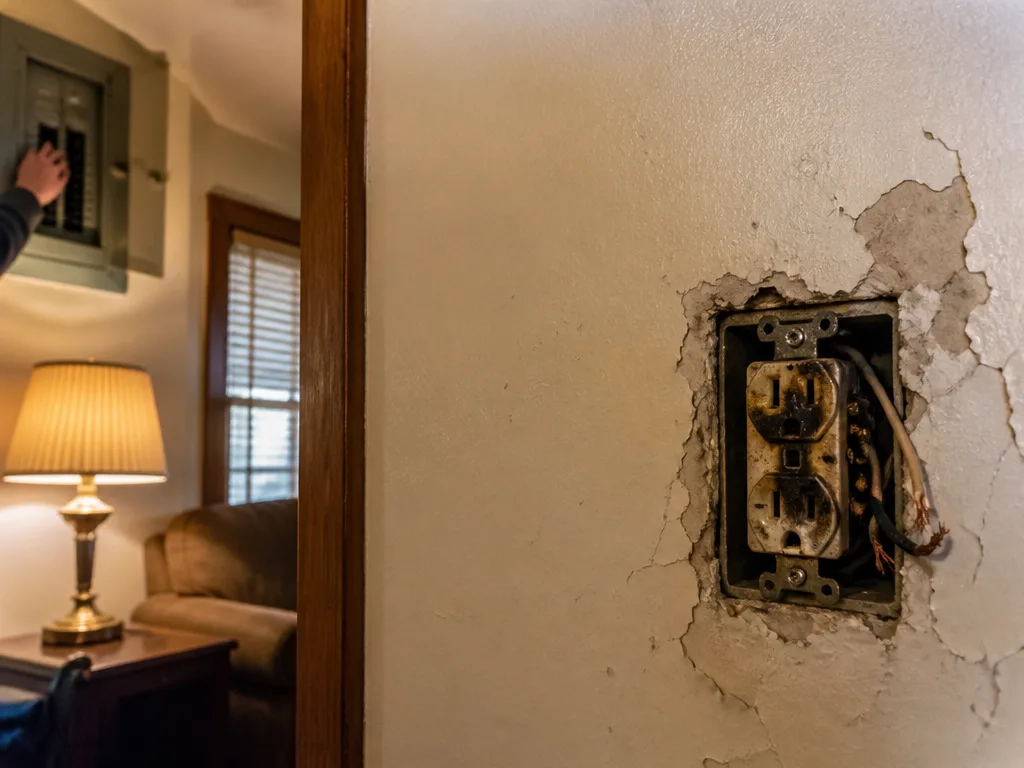
For simple tasks like replacing a faulty outlet cover, turning off the circuit and following basic safety steps can be enough. But if you’re dealing with a warm outlet, flickering lights, a burning smell, or a panel that feels warm to the touch, it’s time to call in an electrician. These signs suggest wiring or panel components are under stress and could fail under heavy loads, particularly during peak usage in Kansas winters or summers.
When to call a pro for a typical scenario
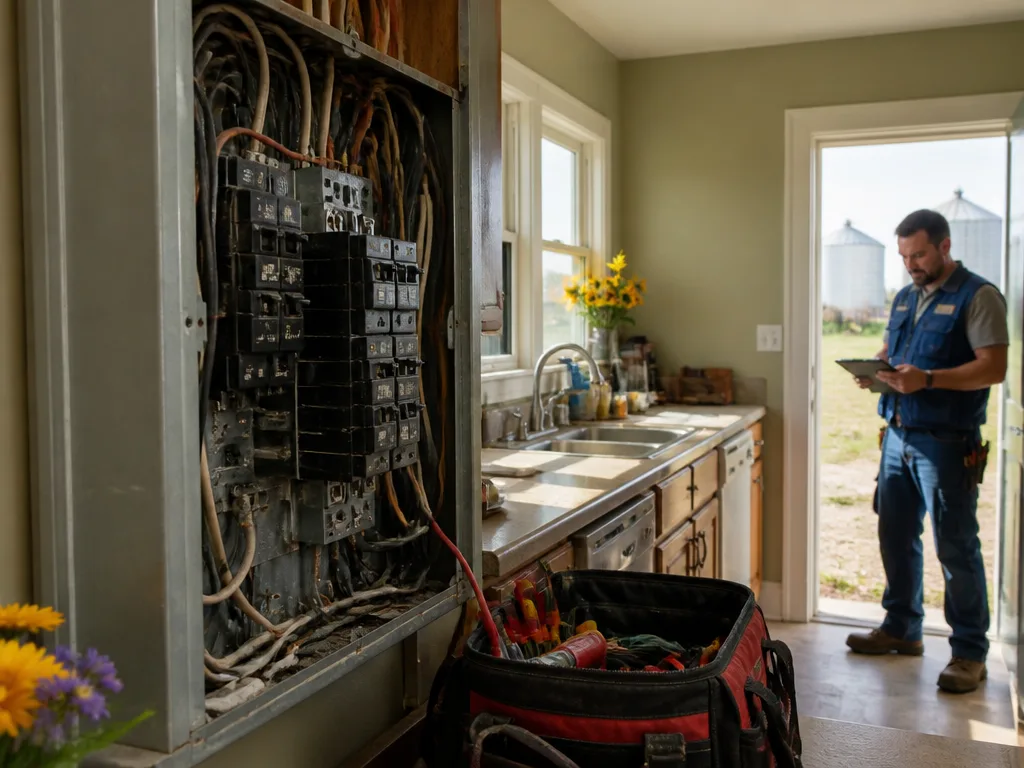
Consider a scenario where you notice a panel that hums or a breaker that trips when your AC runs. That’s a clear signal to involve a professional. An electrician can test circuits, verify grounding, and ensure compatibility between the panel, wiring, and devices you regularly use. In Kansas, where weather shifts demand on electrical systems, a professional assessment can confirm you have the right capacity to handle seasonal loads.
Another common case is upgrading a home for safety or efficiency. If you’re renovating, adding outlets for more devices, or replacing an older fuse box, a pro’s planning helps you avoid nuisance trips and ensure codes are met. Our team works through a structured plan, communicates the scope, and provides options that fit your home and budget across Kansas.
How to approach the decision
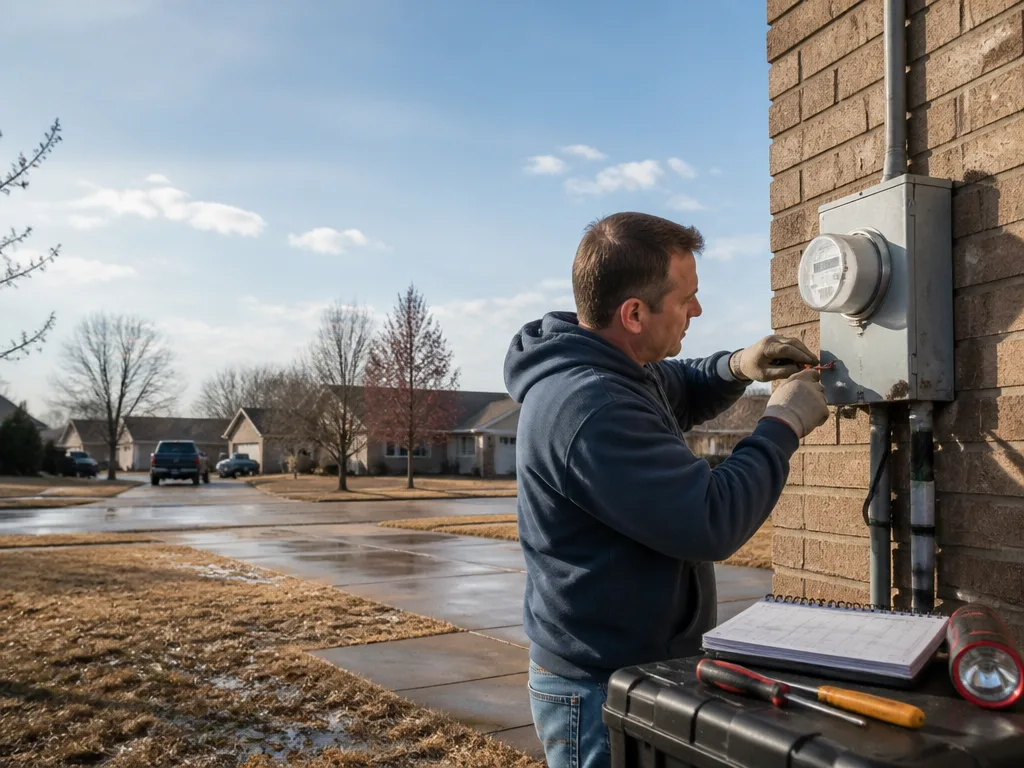
Start with a phone call or a quick inspection request from Kansas Emergency Electrical Service. A professional visit includes a review of your panel, grounding, and a test of circuits to identify weak points. You’ll receive a clear estimate, education on what’s happening, and a recommended path forward. Remember, DIY can be a good learning experience, but serious electrical work should be left to an electrician, especially when panels and fixed wiring are involved.